All
-
Research Update: Where Are Latinos Struggling to Access Healthcare?
Our recent report on coverage rates for Latino children and parents highlights geographic disparities in access to affordable health insurance. For example, while nearly 4 million Latino parents and 2 million Latino kids were uninsured in 2019, both groups were much more likely to have insurance coverage in California, which has expanded Medicaid, than in…
-
New Report Highlights How COVID-Relief Funds Can Be Used To Strengthen and Expand Medicaid School Programs and Address Student Mental Health Needs
As the last few weeks of summer come to an end, families and school districts are preparing for the return of students to the classroom. After a year and a half of living and (largely virtual) schooling during an unprecedented pandemic, the start of this school year can serve as a prime opportunity for school…
-
Missouri Medicaid Expansion Moves Forward
On July 22, the Missouri Supreme Court in a 7-0 decision ruled that Missouri’s voter-passed Medicaid expansion must proceed regardless of legislative foot-dragging and inaction by the Governor. The unanimous decision was decided on fairly simple legal grounds. The court noted that the voter-passed initiative had changed Missouri law and added the parents and other…
-
New CMCS Informational Bulletin on Public Charge
Yesterday, CMCS released a new Informational Bulletin reminding states that the public charge rules have changed and emphasizing that Medicaid and CHIP benefits will not be considered when immigrants apply for a green card. The Trump Administration sought to change the public charge rules – rules that are used as part of an immigrant’s application…
-
Oklahoma Successfully Implements Medicaid Expansion
By Emma Morris, Oklahoma Policy Institute Since Medicaid expansion became an option for states in 2012, most Oklahoma lawmakers have been reluctant to take advantage of this life-saving opportunity, despite its health, economic, and fiscal benefits. In response to legislative foot-dragging, advocates leveraged the initiative petition process to put the issue to a vote of…
-
States Try New Approaches to Improve Maternal and Infant Health
Maternal morbidity and mortality are ongoing crises in the US. Every year, 50,000 women experience serious complications following birth. These complications can be a result of health conditions experienced before and during pregnancy, and women of color have disproportionately high maternal morbidity rates. Policymakers have begun to take action to address this problem. As we…
-
Medicaid Continuous Eligibility Linked with Better Health, More Efficient Health Care Spending
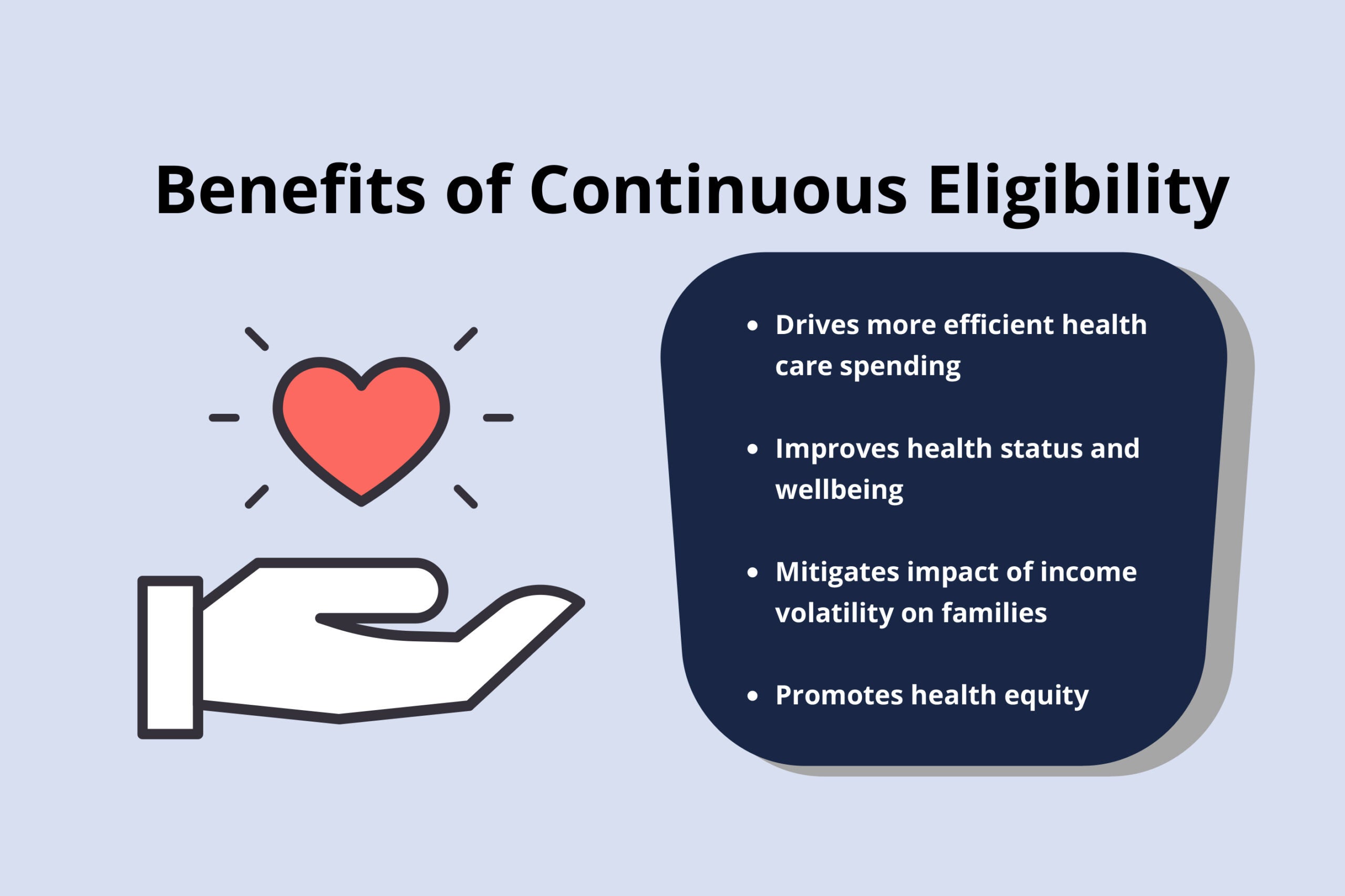
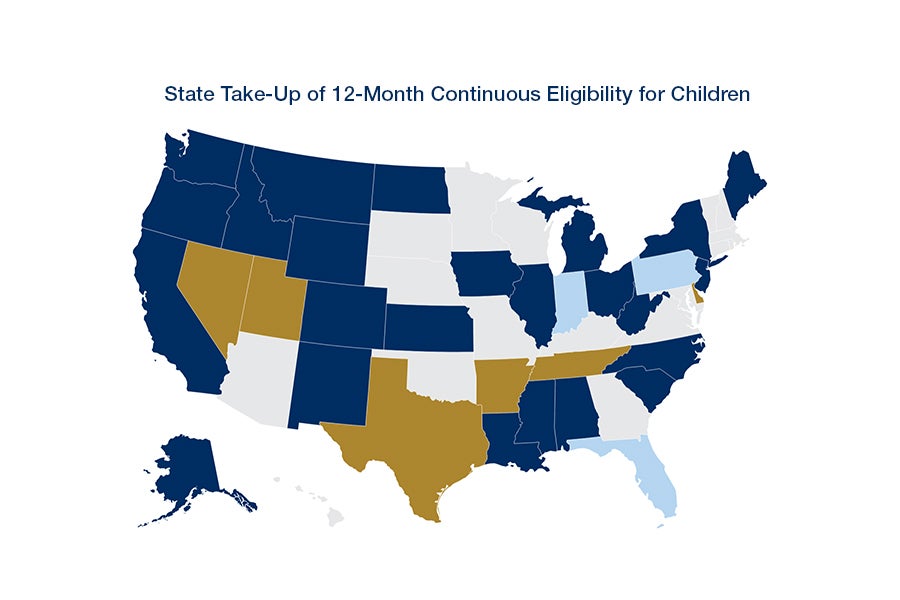
Continuous health insurance coverage produces a broad array of benefits across the health care sector for individuals, states, health plans, and providers. In particular, Medicaid continuous eligibility promotes health equity by limiting gaps in coverage for low-income children and adults who experience disproportionate rates of health disparities. Consistent access to health care, including management of…
-
Continuous Coverage in Medicaid and CHIP
Executive Summary Continuous health insurance coverage produces a broad array of benefits across the health care sector for individuals, states, health plans, and providers. In particular, Medicaid continuous eligibility promotes health equity by limiting gaps in coverage for low-income children and adults who experience disproportionate rates of health disparities. Consistent access to health care, including…
-
Medicaid Managed Care: Transparency Tips for Advocates
In the world of Medicaid managed care, as Ringo might say, transparency don’t come easy. That is one take-away from a lawsuit filed earlier this week by the Better Government Association (BGA), which describes itself as “Illinois’ non-partisan full-service watchdog,” against the state’s Medicaid agency, the Department of Healthcare and Family Services (HFS), which runs…
-
A Guide for Child Health Advocates: Medicaid Managed Care Accountability Through Transparency
Medicaid, Managed Care, and Transparency Medicaid is the nation’s largest health insurer for children—over 35 million at last count—and pays for nearly half of the nation’s births. It offers a comprehensive pediatric benefit—Early and Periodic Screening, Diagnostic, and Treatment (EPSDT) services—for children and comprehensive maternity care for pregnant women. In most states, Medicaid agencies contract…
-
American Rescue Plan Offers States Funding to Address Critical Need for Improved Access to Mental Health Services
The American Rescue Plan passed in March included provisions providing states with new funding opportunities to leverage Medicaid to improve access to mental health services. Recent announcements by the Centers for Medicare & Medicaid Services (CMS) provide states with more information about how they can take advantage of the new opportunities. Section 9817 Additional Support…
-
Decline in Routine Childhood Vaccinations Puts Children, Families and Communities at Risk of Outbreak
In May 2021, the Centers for Disease Control and Prevention (CDC) reported that provider orders for non-influenza childhood vaccines through the Vaccines for Children (VFC) program had decreased by a total of about 11.7 million doses during the COVID-19 pandemic. These numbers are shockingly high, but likely underestimate the total number of missed doses. (The…
-
Urgent Action Needed to Catch Up on Routine Childhood Vaccinations
Introduction Vaccines are a safe and effective method of reducing the burden of infectious disease. On an individual level, they prevent severe illness, death, and long-term consequences of disease such as neurological disorders. On the community level, they forestall dangerous outbreaks of infectious disease and save money that would otherwise be spent on treating preventable…
-
Opportunities to Improve Guidance on Phasing out the Public Health Emergency Continuous Eligibility Provision
In December 2020, the Trump administration issued guidance on unwinding the Medicaid continuous eligibility provision associated with the COVID-19 public health emergency (PHE). There are a number of opportunities for the Biden administration or Congress to strengthen requirements for states to ensure that eligible Medicaid enrollees do not lose coverage at the end of the…
-
Critical Bipartisan House Legislation Would Avert Looming Fiscal Cliff for Medicaid Programs in the Territories
Editor’s Note: On July 21, 2021, the full House Energy and Commerce Committee, by voice vote, reported the bipartisan bill (H.R. 4406) to temporarily extend federal Medicaid funding for Puerto Rico and the other territories and avert the fiscal cliff. On Thursday, July 15, 2021, the Health Subcommittee of the House Energy and Commerce Committee…
-
Pandemic Has Taken Unprecedented Toll on Mental Health of Children, More Support Needed
A study released last month by the Centers for Disease Control and Prevention (CDC) adds to the mounting evidence that the COVID-19 pandemic has taken an unprecedented toll on children’s mental health. CDC Study Findings According to the findings of the study, emergency department visits by children ages 12 to 17 for suspected suicide attempts…
-
CCF Annual Child Health Policy Conference 2021
July 20th – 22nd, 2021 CCF’s annual conference is geared toward state and national child health advocates and researchers. It is not open to the press. View speaker and moderator bios. View conference agenda. Tuesday, July 20 Covering All Kids 11 a.m. – 12:30 p.m. ET For the past several years, children’s health insurance coverage…
-
Removing Barriers to Health Coverage for Noncitizen Children is Key to Addressing Harmful Health Disparities
This month’s issue of Health Affairs is about borders, immigrants, and health, and there are several pieces focused on health of immigrant children and children in immigrant families. Mariellen Jewers and Leighton Ku’s article, “Noncitizen Children Face Higher Health Harms Compared With Their Siblings Who Have US Citizen Status,” looks at differences in access to…
-
Where States Stand on Extended Postpartum Medicaid Coverage
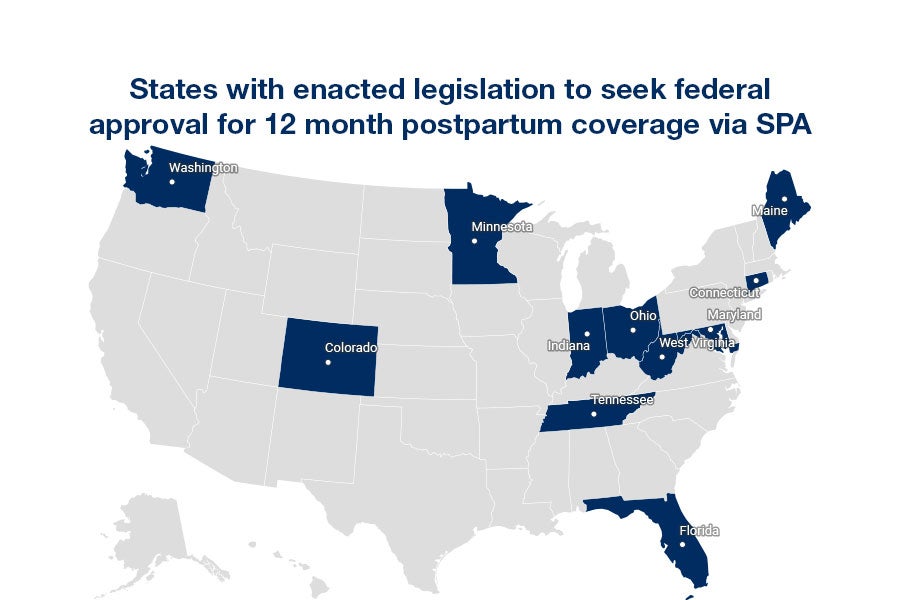
Since the American Rescue Plan passed in March, we’ve been closely following state decisions to take up the important new Medicaid state plan option that allows states to extend postpartum Medicaid and CHIP coverage for 12 months after the end of the pregnancy, well beyond the current federal cutoff of just 60 days postpartum. Because…
-
What Can the Biden Administration Do to Promote Health Equity in Medicaid?
The Biden Administration has announced its intention to make health equity and reducing racial disparities a central feature of its policy agenda issuing an Executive Order on day one instructing federal agencies to promote equity in multiple ways. Section 9 of this Executive Order noted that many federal datasets were not disaggregated by race/ethnicity/gender/disability etc.,…