Affordability
-
Research Update: New Urban Institute Report Highlights Pandemic-Related Barriers to Health Care Among Low-Income Parents
Parents’ lack of health insurance coverage and access to health services can reduce children’s access to care and harm their families’ broader financial health. This is why the Urban Institute’s new report on coverage, access, overall health, and ability to meet family financial needs among parents at different income levels after the first year of…
-
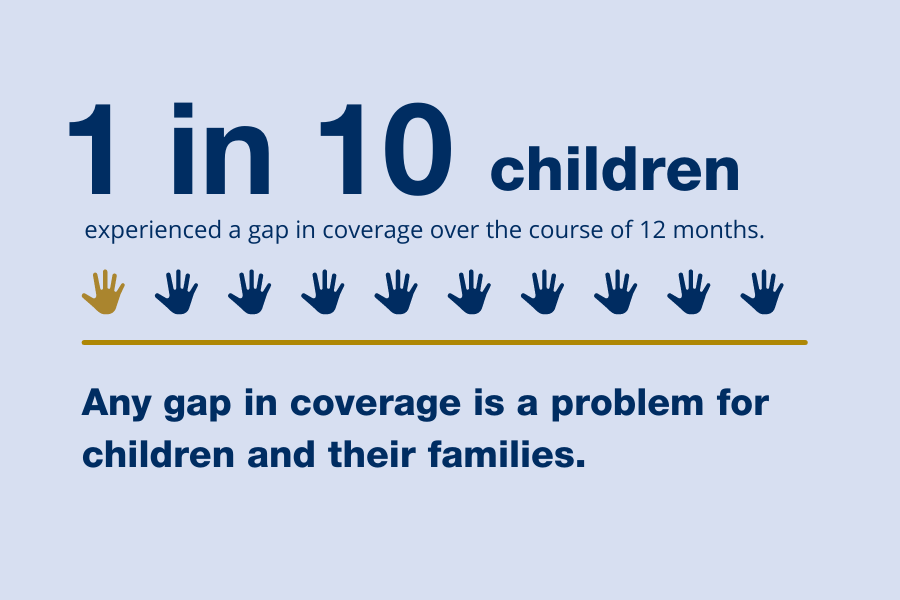
Gaps in Coverage: A Look at Child Health Insurance Trends
The number of uninsured children was on a downward trajectory for many years, but in 2017 started going back up, rising a full percentage point between 2016 and 2019 (see Figure 1). This issue brief examines the incidence and characteristics of children who experienced a period of uninsurance over the course of a recent year…
-
Build Back Better Act: Health Coverage Provisions Explained
On November 19, 2021, the House of Representatives passed the Build Back Better Act, the budget reconciliation bill, with the Senate expected to consider the legislation in coming weeks. The Build Back Better Act includes numerous provisions that would dramatically strengthen and expand both public and private health insurance coverage. Some of the new provisions…
-
New Report Highlights Coverage and Affordability Improvements for Children and Families with Permanent Marketplace Subsidies
More than 2.5 million Americans enrolled in Marketplace coverage between February 15 and July 31, 2021 during the recent COVID-19 special enrollment period (which closed on August 15, 2021). About 35 percent of these individuals were able to get covered for under $10 per month, thanks in part to the American Rescue Plan Act’s enhanced…
-
Building a Better Transparency Mousetrap: Recommendations to Optimize Hospital and Health Plan Price Disclosures
By Sabrina Corlette, Megan Houston, Maanasa Kona, Rachel Schwab, and Nia Gooding from the Center on Health Insurance Reforms at Georgetown University’s Health Policy Institute. High and rising health care costs are projected to consume 20 percent of the U.S. economy by 2027, squeezing workers’ wages, reducing our economic competitiveness, and forcing difficult budgeting decisions for federal and…
-
CHIP has Proven Its Worth, It’s Time to Modernize it and Make it a Permanent Part of Children’s Health Coverage
Since its inception in 1997, the Children’s Health Insurance Program (CHIP) has established itself as a critical piece of the federal/state response to children’s health care needs and the historic reduction in children’s uninsured rates (which sadly started going in the wrong direction during the Trump Administration). In addition to covering over 6 million children…
-
More Sabotage: Trump Administration Cuts Marketplace Premium Subsidies
The Centers for Medicare and Medicaid Services recently issued the Notice of Benefit and Payment Parameters for 2020, which finalized a harmful provision first proposed in January that would effectively reduce the amount of premium tax credits available to purchase marketplace plans over time. Like prior Administration actions that have sabotaged the marketplaces, this would…
-
Affordable Care Act Back in the Spotlight: Build on its Progress or Scrap it Entirely
It is hard to find a starker example of the different approaches our two political parties take to health care than the events of March 26, 2019. The day started with headlines about the Trump administration’s push to have the Affordable Care Act (ACA) declared unconstitutional, and ended with Democratic legislators in the U.S. House introducing a bill that…
-
New Executive Order: Expanding Access to Short-Term Health Plans Is Bad for Consumers and the Individual Market
On October 12, 2017, President Trump signed a “very major” executive order related to health care that is “going to cover a lot of territory.” The executive order takes steps to roll back a consumer protection related to short-term health plans, in addition to allowing the sale of association health plans that are unregulated by the states and do…
-
Who Are the Uninsured Adults?
Last week we posted a piece about the shrinking pool of uninsured adults, based on a Health Affairs study showing that the rate of adults without insurance dropped from 16 percent to 7 percent in states that took the Affordable Care Act’s Medicaid expansion. Hidden at the end of this Health Affairs study, is a…
-
New Urban Institute Interactive Analysis Shows Rising Cost for Families Using Employer-Sponsored Insurance
It’s no secret that private health insurance is expensive and that, over time, employers have passed more and more of the cost onto workers and their families. Still, when federal policy changes are being contemplated, there is often the sense that families have access to employer-sponsored insurance (ESI) to fall back on. This is especially…
-
Why CHIP Beats the Marketplace When it Comes to Kids
Over the past few decades, policymakers have made a commitment to insuring children, as evidenced by Medicaid coverage expansions in the 1980s, the creation of CHIP in 1997, and most recently, the Affordable Care Act (ACA). But not all of these coverage sources are created equal. Medicaid, the MVP for children’s coverage, offers children an…
-
Marketplace Coverage is Not an Adequate Substitute for CHIP
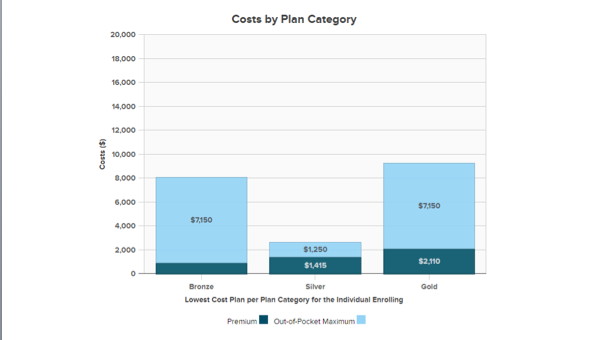
With the Children’s Health Insurance Program (CHIP) set to expire on September 30, some political leaders and policymakers have asked whether the nearly 9 million, low-income children on CHIP could just as easily be covered on Marketplace plans. Our analysis shows that Marketplace plans would cost families more, provide fewer benefits and offer less stability…
-
States Take the Lead with Policies to Protect Residents with Chronic Conditions from High Out-of-Pocket Drug Costs
This blog post originally appeared on the Center on Health Insurance Reforms blog. While there were many campaign promises to lower prescription drug costs, to date there’s been little federal action to reduce prescription drug prices or lower patients’ costs. States, however, are taking the lead with policies designed to protect consumers from the high…
-
Senate Bill is Not Nice to Children and Families
There is a tremendous amount to digest here, and we are still working through the complex text, but one thing is clear – the Senate bill (like the House bill) will start moving the country backwards with respect to child and family coverage. Readers of Say Ahhh! know that the number of uninsured children is…
-
The Affordability Equation: The Conversation about ACA Subsidies Must Consider Premiums and Cost Sharing at the Same Time
By Hilary Dockray, Social Interest Solutions As the debate about the Affordable Care Act (ACA) continues – Repeal? Replace? Repair? – it is important to remember that the ACA was designed to work as a whole and that disassembling pieces of it would be unwise. But the national conversation continues to deal separately with two…
-
Uncertain Future for the Affordable Care Act Leads Insurers to Rethink Participation, Prices
By Sabrina Corlette, Kevin Lucia, Justin Giovannelli and Dania Palanker, originally posted on CHIRblog The Affordable Care Act (ACA) is facing an uncertain future, with a new President and Congress committed to its repeal. Upcoming policy debates could have a dramatic impact on the individual health insurance market, especially the ACA’s marketplaces. While millions of…
-
Prior to the ACA, Where You Lived Determined How Accessible and Affordable Coverage Would Be
By Sandy Ahn, originally posted on CHIRblog Before the Affordable Care Act (ACA), what state you lived in determined how easily you could purchase a health plan, the price, and what the plan would cover in the individual market. Rules varied by state, but one common fact was that insurers could use your health status…
-
The Return on Investment of Medicaid Expansion: Supporting Work and Health in Rural Ohio
By Loren Anthes, MBA, Fellow, Center for Medicaid Policy, originally posted by the Center for Community Solutions When debating the Medicaid expansion in 2013, the Ohio legislature appropriately questioned whether expanding the program to non-disabled adults would be done so efficiently, supporting the health, welfare, and economy of Ohio and its citizens. The subsequent policy process reflected…
-
For Mental Health Services, Would ACA Repeal Turn ‘Warm Handoff’ into Cold Shoulder?
One of the few points of bipartisan agreement in Congress last year was finding ways to support mental health services. The 21st Century Cures Act passed in Congress and signed by the President just last month took steps to integrate mental health into primary care services, expand the pool of providers and improve the interactions…