

I recently wrote about problems with the federal government’s suggested definition of “volunteer” in the proposed rule implementing the new law (H.R. 1) passed by Congress that requires patients to meet work/volunteer reporting requirements to maintain Medicaid coverage. The changes in this law are estimated to increase the number of uninsured Americans by 10 million people through 2034. My Georgetown University Center on Children and Families colleagues have also been closely following the implementation of H.R. 1 and flagging problems – most recently how the Trump Administration is inventing new requirements for health coverage never passed by Congress.
There’s another issue with the federal government’s proposed rule that especially affects people covered by Medicaid who happen to live in rural areas and small towns – increasing problems with the US Postal Service significantly affecting mail rural delivery speed and capability. (Reminder that Medicaid plays a larger role in providing health coverage to people living in small towns and rural communities than it does in metropolitan areas.)
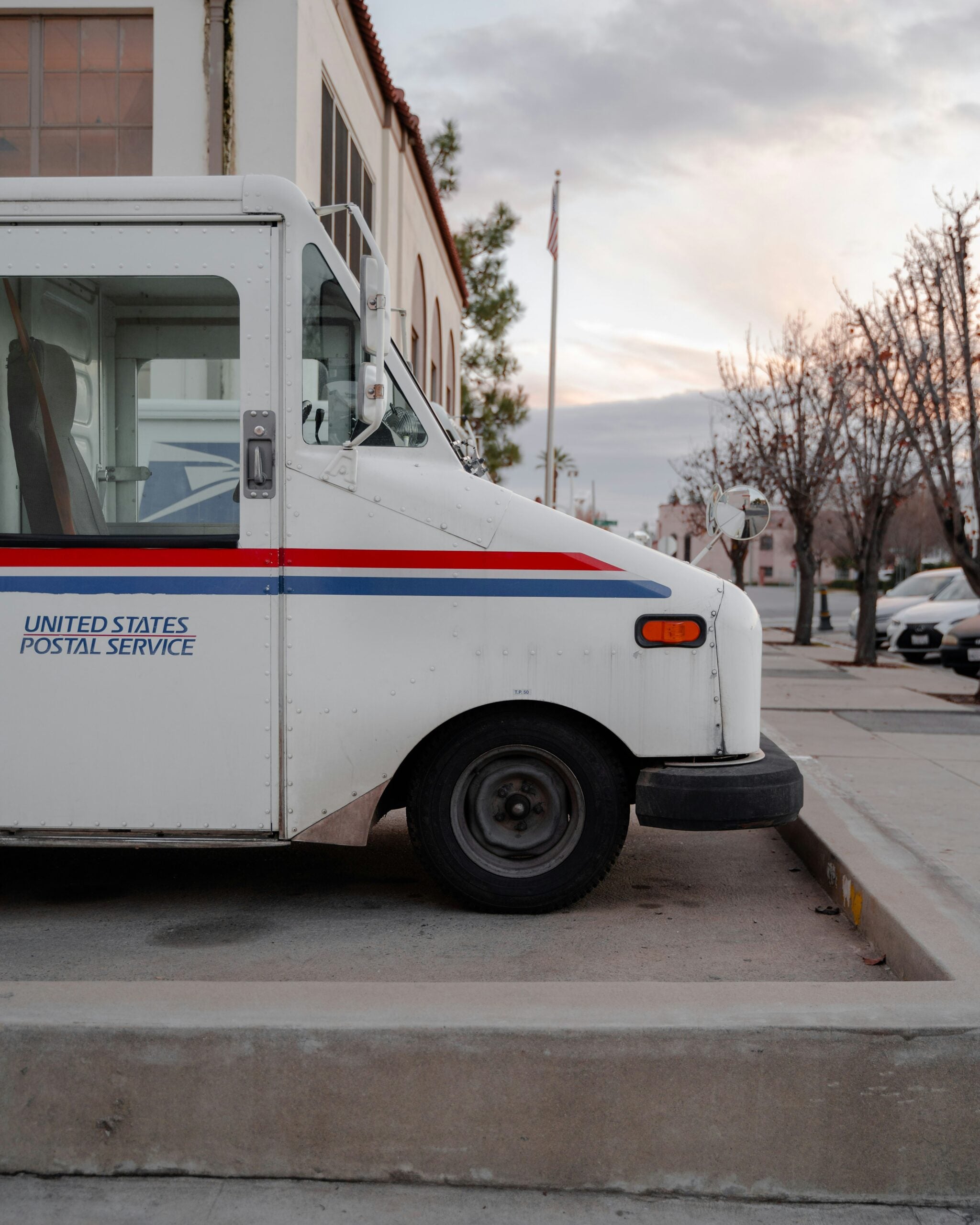
In its proposed rule implementing multiple new paperwork reporting and notice requirements, the federal government acknowledges several times that the vast majority (75%) of people getting health coverage through Medicaid rely on the U.S. Postal Service to receive critical notices about their Medicaid coverage rather than electronically. (See DHHS proposed interim final rule here and here and here.) This shouldn’t be a surprise – important health coverage communications in the private health insurance industry (like explanations of benefits or EOBs) are currently typically sent by US mail as well.
This reliance by the Medicaid program on the US Postal Service for sending and receiving paperwork related to work reporting requirements, possible hardship exemptions to work reporting requirements and other related issues will directly impact a person’s ability to keep their Medicaid coverage. The stakes are high. Those who don’t respond in a timely fashion to a Medicaid notice or send in the appropriate paperwork may lose their Medicaid coverage even though they meet all of the requirements for coverage.
And at the same time as the federal government is conditioning millions of people’s Medicaid coverage on vastly increasing the use of time-critical communications sent by U.S. mail, the U.S. Postal Service is experiencing major problems with funding and timely, reliable delivery of mail, especially to rural areas.
A press release detailing the results of a Republican led U.S House of Representatives committee oversight hearing on the US Postal Service summarized increasing financial losses and the slowing of mail delivery – especially rural mail delivery:
Vice Chairman Robert Taub testified that “The Commission also cautions against endorsing the postal service’s plan to move full steam ahead with what, in essence, is the Delivering for America plan that promised break even operations by 2023, and a cumulative ten-year net income of $200 million. In fact, now in year six of the ten-year plan, the postal service has incurred $31 billion in losses and is on the path to losing even more in the remaining four years of its implementation. It is a plan that promised to streamline and save the postal service $28 to $40 billion by 2030, as initially estimated. Yet implementation of the plan has slowed mail delivery across the United States, particularly in rural areas, which to a greater extent rely on affordable and reliable mail delivery. Further, the mounting financial losses continue, a situation the commission warned about on several prior occasions.” [Emphasis added.] See: Press Release, Committee on Oversight and Government Reform, U.S. House of Representatives, June 5, 2026.
The US Postal Service has been under increasing scrutiny around financial issues and especially increasing rural delivery problems for a while. The Postal Regulatory Commission issued a warning about problems in rural delivery in 2025.
Senator Josh Hawley (R-MO) last year urged the new Postmaster General to abandon reorganization plans to protect “timely, reliable mail service for all Americans, especially those in rural areas who lack access to alternatives.”
And concern about rural delivery problems is thoroughly bipartisan. Congresswoman Nikki Budzinski (D-IL) also questioned Postal Regulatory Commission Vice-Chair Robert Taub during the House Oversight and Government Reform Subcommittee hearing mentioned above. (Representative Budzinski is co-chair of the congressional postal service caucus.)
In response to Representative Budzinski’s questions, Vice-Chair Taub said the current plan the postal service is pursuing is creating “a tale of two Americas….rural America is going to see delayed service – slower service – under this plan.” (Video here, emphasis mine.)
And state headlines this year such as, “Complaints mount as rural mail delivery in Maine gets more erratic”, are increasing. From South Dakota: “They just won’t listen:’ Rural SD nears postal breaking point”, to Kansas: “Rural Kansas communities face United States Postal Service delivery issues”, to Wisconsin: “Wisconsin village faces mail delivery delays amid financial crisis for US Postal Service.”
So, the federal government is rolling out new paperwork reporting requirements for millions of Americans to keep their Medicaid coverage – reporting and increased eligibility requirements that will depend overwhelmingly on the timely delivery and return of U.S. mail, especially in rural areas. But at the same time the U.S. Postal Service is under scrutiny for increasing delays and uncertain delivery in rural America. This is a stark disconnect between two parts of government with people’s health coverage hanging in the balance. What could go wrong?