Research & Reports
-
Comments to CMS on Proposed Changes to Medicaid and CHIP Policies and Procedures Relating to Prior Authorization and Electronic Exchange of Health Care Data
The Georgetown University Center for Children and Families submitted the following comments to CMS on the proposed changes to current Medicaid and CHIP policies and procedures relating to prior authorization and electronic exchange of health care data. Comments-Prior-Auth-NPRM-FINAL
-
Medicaid Managed Care Covid-19 Advocacy Action Guide
Georgetown University CCF partnered with the American Academy of Pediatrics (AAP) to produce a Medicaid Managed Care COVID-19 Advocacy Action Guide. The guide explains how practitioners and child health advocates can work with MCOs and state policymakers to increase financial support for pediatric and primary care practices serving children and families enrolled in Medicaid. The…
-
Comments on Proposed SUNSET Rule
Georgetown University Center for Children and Families submitted the following comments to the U.S. Department of Health and Human Services on the proposed SUNSET rule. CCF Comments SUNSET NPRM
-
HIV and Medicaid Expansion: Failure of Southern States to Expand Medicaid Makes Elimination of HIV Infection in the United States Much Harder to Achieve
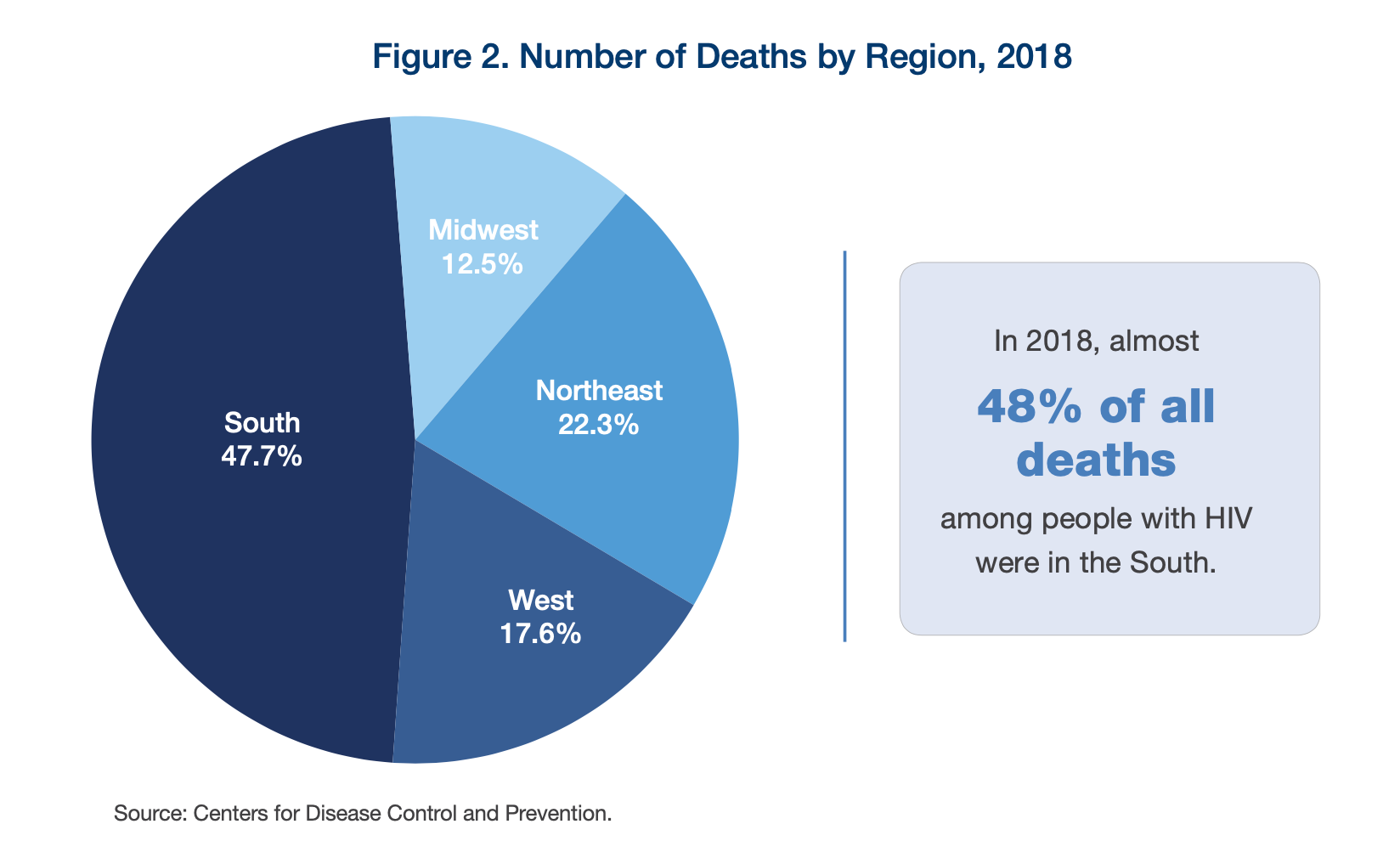
By Adam Searing, JD, MPH and Adaora A. Adimora, MD, MPH Introduction Advances in public health programs and medical treatment mean HIV can be treated successfully in the long term, improving the health of individuals and reducing the spread of the virus. While the federal government has multiple initiatives aimed at addressing and eventually eliminating…
-
Medicaid and CHIP Coverage for Pregnant Women: Federal Requirements, State Options
Introduction Medicaid and the Children’s Health Insurance Program (CHIP) are key supports for pregnant women and new mothers, as well as their children in the critical early years of life. Medicaid pays for nearly half of all births in the United States, including a greater share of births in rural areas, among young women, and…
-
Children’s Uninsured Rate Rises by Largest Annual Jump in More Than a Decade
Introduction For many years, the United States was on a positive trajectory in reducing the number and rate of uninsured children; in 2016, the nation attained a historic low of 3.6 million uninsured children. This progress occurred as a result of expansions of public coverage—primarily Medicaid and the Children’s Health Insurance Program (CHIP)—and was accelerated…
-
Proposed “Good Guidance” Regulations
The Georgetown University Center for Children and Families submitted the following comments to the U.S. Department of Health and Human Services on the proposed Good Guidance Practices regulations. CCF_good_guidance_comments-1
-
Snapshot of Children with Medicaid by Race and Ethnicity
Introduction Medicaid and the Children’s Health Insurance Program (CHIP) are primary sources of health coverage for low-income children, especially for children of color because they are more likely to be economically disadvantaged. As such, these sources of health insurance offer an opportunity to assess and address existing health disparities. In this analysis, we use the…
-
Request for Action on Pending Section 1115 Demonstrations to Reduce Racial Disparities
The Georgetown University Center for Children and Families and 278 other organizations sent the following letter to the Secretary of Health and Human Services urging him to take action on certain pending section 1115 demonstration waivers to address racial disparities and years of systematic racism. Medicaid_Supporting Black Women Sign-On Letter
-
Illustrating the Harmful Impact of Medicaid Block Grants and Per Capita Caps on State Funding of K-12 Education
Introduction States now face large and growing budget deficits due to the COVID-19 health and economic crisis.In turn, school districts are bracing for substantial cuts to state funding of K-12 education. One estimate finds that school districts would need $230 billion in federal assistance over the next 2 fiscal years to offset state funding losses…
-
Fact Sheets: Latino Children’s Health Coverage
State officials’ decisions about coverage options, especially in times of crises, have a profound effect on children and can exacerbate pre-existing racial and ethnic disparities. For notes on methodology, visit this page. Arizona Fact Sheet California Fact Sheet Florida Fact Sheet Georgia Fact Sheet Nevada Fact Sheet Puerto Rico Fact Sheet Texas Fact Sheet For…
-
Methodology: Latino Children’s Coverage Health Fact Sheets
Fact Sheets are additional analyses building upon the following brief report: Whitener, K., Lopez, S., Roygardner, L. & Snider, M. (2020). Decade of Success for Latino Children’s Health Now in Jeopardy (March 10, 2020). Unless otherwise noted, the data cited is based on Georgetown University Center for Children and Families analysis of the U.S. Census…
-
Racial Health Inequities and Medicaid Work Requirements
Research by the Center for Children and Family demonstrates that Medicaid work reporting requirements proposed for low-income parents would disproportionately affect African American mothers and families. In three of the five states we reviewed, African American adults represent the largest proportion of the population subject to work reporting requirements. In all five states, the share…
-
Medicaid as First Responder: Enrollment Is on the Rise
Introduction Medicaid is and will continue to play a central role in the nation’s response to the COVID-19 pandemic with respect to both the health crisis and the ensuing economic crisis. With unemployment rapidly rising to double digits and workers (and their spouses and dependent children) losing their employer-sponsored insurance, it has been widely expected…
-
Rate of Uninsured Infants and Toddlers on the Rise
Introduction The percentage of infants and toddlers without health insurance is growing. The overall rate of uninsured children under 3 increased significantly for the first time in several years, growing from 3.5 percent in 2016 to 4.1 percent in 2018 (see Figure 1). This trend mirrors the national increase in the uninsured rate for all…
-
Medicaid and CHIP Eligibility, Enrollment, and Cost Sharing Policies as of January 2020: Findings from a 50-State Survey
Introduction As the COVID-19 pandemic expands, needs for health insurance coverage through Medicaid and CHIP will increase for people who get sick and who lose private coverage due to the declining economy. Increasing enrollment for the 6.7 million uninsured individuals who are eligible for Medicaid and facilitating enrollment for the growing numbers of individuals who will…
-
Approved 1135 Waivers and State Plan Amendments for COVID-19
Introduction Section 1135 of the Social Security Act allows the Health and Human Services Secretary to waive or modify certain Medicare, Medicaid, and CHIP requirements during a national emergency. The purpose of this authority is to ensure that during an emergency sufficient health care services are available to Medicare, Medicaid, and CHIP `beneficiaries. As of March 13,…
-
Families First Coronavirus Response Act Medicaid and CHIP Provisions Explained
The Families First Coronavirus Response Act was signed into law (P.L. 116-127) on March 18, 2020. The law is the second piece of legislation enacted by Congress in response to the coronavirus pandemic and negotiations are currently underway on a third, much larger economic stimulus package. The Families First legislation covers a broad range of…
-
Coronavirus (COVID-19) Resource Center
In response to the public health emergency caused by the novel coronavirus (COVID-19), the Georgetown University Center for Children and Families has created this resource center to keep you up to date on the latest in health coverage. [If you need help finding affordable health coverage or meeting other needs, call or text 211 for…