Eligibility & Enrollment
-
Another View — Tricia Brooks: Citizenship paperwork would turn back NH Medicaid
New Hampshire Union Leader By: Tricia Brooks New Hampshire is proposing to add burdensome paperwork requirements for U.S. citizens to prove eligibility for Medicaid. That’s one of the requests it is making in its Medicaid waiver proposal. This is perplexing because the state and federal governments have spent millions of dollars establishing systems that electronically…
-
Coverage Gap Leaves Millions of Americans without Affordable Health Insurance
According to a new report by the Kaiser Family Foundation, 2.2 million adults are in a “coverage gap,” resulting from the failure of 17 states to expand Medicaid. As Say Ahhh! readers may recall, the coverage gap occurs among poor, non-elderly adults in non-expansion states who have incomes too high to be eligible for Medicaid…
-
Why is NH Proposing to Replace Proven Electronic Citizenship Verification with Burdensome Medicaid Paperwork Requirements?
My home state of New Hampshire is proposing to add burdensome paperwork requirements for U.S. citizens to prove eligibility for Medicaid. That’s one of the requests they are making in the Medicaid waiver proposal that is up for state comment before the end of the week. This is perplexing because the state and federal governments…
-
New Data Show Progress Covering Uninsured Children Stalled
I previously wrote about the growing gap between the rate of uninsured adults living in non-expansion states and expansion states. Next, I am analyzing the rate of uninsured children using the same data source, the National Health Interview Survey (NHIS). We are anxiously waiting for the release of the American Community Survey in the fall…
-
The Medicaid Expansion is Good for Parents AND Good for Children
Parents and children are more likely to have health coverage now than they were before the Affordable Care Act took effect. The Urban Institute released new research that shows the rate of insurance coverage for parents and children increased significantly between June/September 2013 and March 2017. During the time period, the rate of coverage increased…
-
New Urban Institute Interactive Analysis Shows Rising Cost for Families Using Employer-Sponsored Insurance
It’s no secret that private health insurance is expensive and that, over time, employers have passed more and more of the cost onto workers and their families. Still, when federal policy changes are being contemplated, there is often the sense that families have access to employer-sponsored insurance (ESI) to fall back on. This is especially…
-
States Could Lose Cost-Effective Express Lane Eligibility if Congress Fails to extend CHIP Promptly
When CHIP was reauthorized in 2009, it provided a new tool – known as Express Lane Eligibility (ELE) – for states to enroll and renew children’s coverage. ELE allows states the flexibility to use findings from other public programs, like SNAP, to determine eligibility for Medicaid or CHIP. ELE can be used at enrollment, renewal,…
-
Why CHIP Beats the Marketplace When it Comes to Kids
Over the past few decades, policymakers have made a commitment to insuring children, as evidenced by Medicaid coverage expansions in the 1980s, the creation of CHIP in 1997, and most recently, the Affordable Care Act (ACA). But not all of these coverage sources are created equal. Medicaid, the MVP for children’s coverage, offers children an…
-
Marketplace Coverage is Not an Adequate Substitute for CHIP
With the Children’s Health Insurance Program (CHIP) set to expire on September 30, some political leaders and policymakers have asked whether the nearly 9 million, low-income children on CHIP could just as easily be covered on Marketplace plans. Our analysis shows that Marketplace plans would cost families more, provide fewer benefits and offer less stability…
-
Uninsured Rates for American Indian and Alaska Native Children are Coming Down But Are Still Too High: Medicaid Cuts Put These Kids at Risk
Continuing our deeper dive into recent coverage gains among at-risk populations thanks largely to Medicaid (like our recent report on Medicaid’s disproportionate role for small towns and rural areas), today we are releasing a new paper “Coverage Trends for American Indian and Alaska Native Children and Families.” The big takeaway: Uninsured rates for AI/AN children…
-
Coverage Trends for American Indian and Alaska Native Children and Families
Uninsured rates for children in American Indian and Alaska Native (AI/AN) families have dropped quickly in the past eight years, but they still remain high and will likely rise if substantial cuts are made to the Medicaid program, according to the report, Coverage Trends for American Indian and Alaska Native Children and Families. The report found: 54 percent of…
-
Doubling Down on Dialing Down on Children
Last Thursday, the Senate Leadership released a draft bill to “repeal and replace” the Affordable Care Act. The draft is even worse for the 37 million children that Medicaid covers and the providers who serve them than the bill that narrowly passed the House. Not only would the draft dial down the federal payments to…
-
Connecting the Dots: Capping Medicaid, Closing Rural Hospitals, and Stranding Rural Children and Families
The Senate was designed by our founding fathers to protect less populated states. Few would dispute that over the decades, the Senate has faithfully executed that institutional mission, especially when it comes to health policy. So it is completely mystifying that the Senate, according to all reports, is seriously considering capping federal Medicaid payments to…
-
How Restructuring Medicaid Could Affect Children
More than one-third of America’s children rely on Medicaid for their health care, and more than half of Medicaid recipients are children. Medicaid’s existing structure has helped states respond to every economic downturn, natural disaster, epidemic or innovative treatment since the program was enacted in 1965. As recently as last year, Congress put forth proposals…
-
Risky Business: Health Actuaries Assess the Individual Market and Rates
By Rachel Schwab, originally posted on CHIRblog Health reform is often a series of what-ifs. As we wade into the uncertainty of congressional action, Executive Orders, and “the greatest replacement plan ever,” consumers and insurers alike have to hedge their bets and carefully calculate the impact of a number of unknown outcomes. Unfortunately sometimes it…
-
Council of Economic Advisers Reports Uninsured Rate Now at Lowest Point in History
Last month, the Council of Economic Advisers released a report demonstrating that historic progress on health insurance coverage is due, in large part, to the ACA. Since the ACA took effect, an estimated 20 million additional adults gained health insurance, the children’s uninsured rate fell by almost half, and the overall uninsured rate fell to…
-
Latino Children’s Coverage Reaches Historic High, But Too Many Remain Uninsured
Recently released data from the U.S. Census Bureau examining health insurance coverage rates in 2015 found that, during the 2013-2015 period, the U.S. experienced the largest two-year decline in uninsurance rates for all children on record. The uninsurance rate for all children declined from 7.1 percent in 2013 to 4.8 percent in 2015. During the…
-
Report Suggests Improved Outreach and Enrollment Efforts Directed at Very Poor Parents Needed
As I was flying back from Atlanta the other night, I read a fascinating new paper by researchers at the Urban Institute (a team led by the esteemed Genevieve Kenney), which looks at adult uninsured rates and participation rates in Medicaid. In particular, the researchers examine how the number of uninsured parents and childless adults…
-
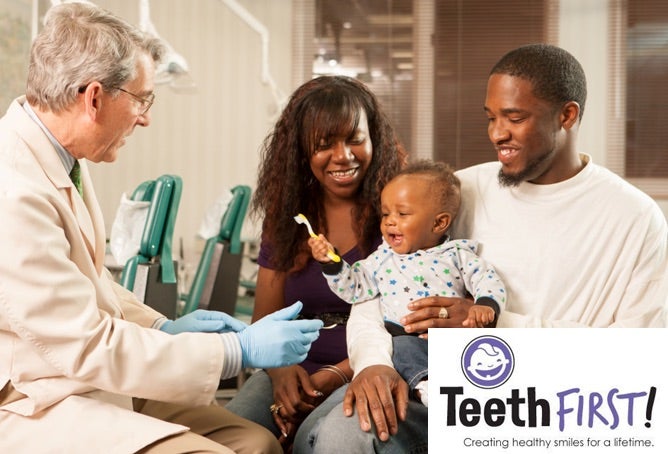
Rhode Island: Working to Improve Access to Oral Health Care for Children through RIte Smiles and TeethFirst!
By Katherine Chu and Jim Beasley, Rhode Island KIDS COUNT Oral health is a critical but overlooked component of overall health and well-being among children and adults. Poor oral health has immediate and significant negative impacts on children’s general health, school attendance and academic achievement. Untreated dental disease can lead to eating, sleeping, speaking and learning…
-
School-Based Outreach for Health Coverage Enrollment: New Guide Highlights Successful Strategies
By Shelby Gonzalez, Center on Budget and Policy Priorities Across the country, children are stocking up on school supplies and teachers are preparing their classrooms and lesson plans. In addition to these traditional back-to-school activities, many school administrators and outreach groups are gearing up to raise awareness about the importance of health insurance and help…