All
-
CMS Issues New Guidance on Variable Best Price Reporting under the Medicaid Drug Rebate Program
On March 23, 2022, the Centers for Medicare and Medicaid Services (CMS) released new technical guidance to drug manufacturers and states related to the highly effective Medicaid Drug Rebate Program (MDRP). The guidance is related to a rule finalized late in the Trump Administration that, among other provisions, allowed manufacturers to report a range of…
-
Research Update: Children’s Anxiety and Depression on the Rise
In a new article published last week in JAMA Pediatrics, researchers from the Health Resources and Services Administration find that anxiety and depression among children ages 3-17 have increased over the last five years. The researchers use data from the National Survey of Children’s Health to look at trends in children’s health, care utilization, and…
-
CMS Shares State Reporting Requirements on PHE Unwinding, but Will the Agency Share State Reports with the Public?
We’ve been expecting CMS to release a template for states to report key baseline and monthly data that is needed to monitor the unwinding of the Medicaid continuous coverage protection, but we got more than that with today’s release. CMS will also require states to complete and submit a form that summarizes the state’s approach…
-
Medicaid Expansion Discussion in Selected States Twelve Years After ACA Passage
This week marks the twelve-year anniversary of the Affordable Care Act (ACA) but residents of twelve states still have not been able to access the Medicaid expansion benefit enacted as part of that law as their state leaders have blocked it from taking effect. Over two million Americans are still unable to get quality, affordable…
-
Medicaid and CHIP Eligibility and Enrollment Policies as of January 2022: Findings from a 50-State Survey
Executive Summary Enrollment in Medicaid has grown significantly during the coronavirus pandemic. Provisions in the Families First Coronavirus Response Act (FFCRA) require states to provide continuous coverage for Medicaid enrollees until the end of the month in which the public health emergency (PHE) ends in order to receive enhanced federal funding. Continuous enrollment has helped to preserve…
-
Medicaid Managed Care: SDOH, MCO, and MLR
There is no shortage of acronyms or initialisms in government agencies and programs and Medicaid is no exception. The Medicaid and CHIP Payment and Access Commission or MACPAC (one of our favorite acronyms) devotes an entire glossary to them. The most prominent initialism in Medicaid policy discussions these days is SDOH: social determinants of health,…
-
More States Make Progress on Extending Postpartum Medicaid Coverage
The 2022 state legislative season is nearing its end in the coming weeks, and this year we’ve continued to see significant efforts in a broad range of states working to extend the Medicaid postpartum coverage from the current cutoff of just 60 days to a full 12 months after the end of the pregnancy. Regular…
-
CMS Releases New Guidance on Unwinding the Medicaid Continuous Coverage Requirement
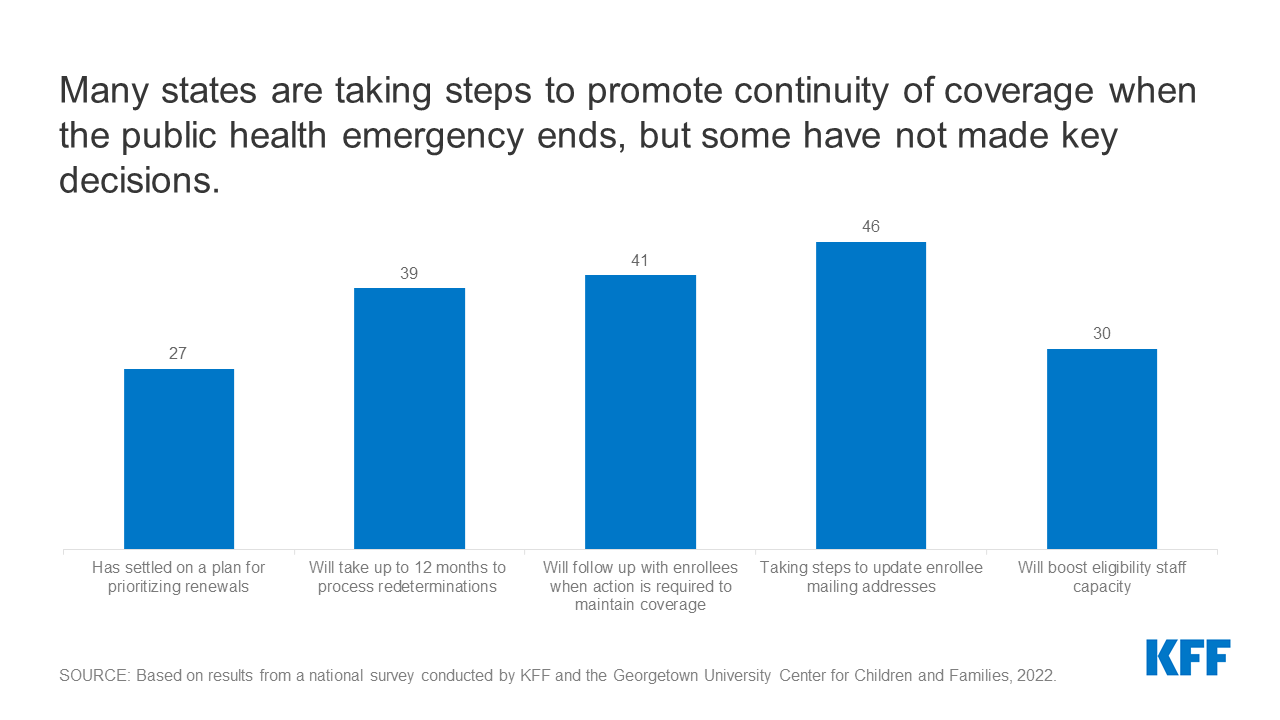
Yesterday, CMS released additional guidance and tools for states and Medicaid stakeholders on resuming routine operations when the Medicaid continuous coverage provision is lifted at the end of the public health emergency (PHE). While the State Health Official (SHO) reinforces prior guidance, it also provides new content and emphasizes the importance of protecting enrollees from…
-
Medicaid Managed Care: What Can the Annual MLR Report Tell Us?
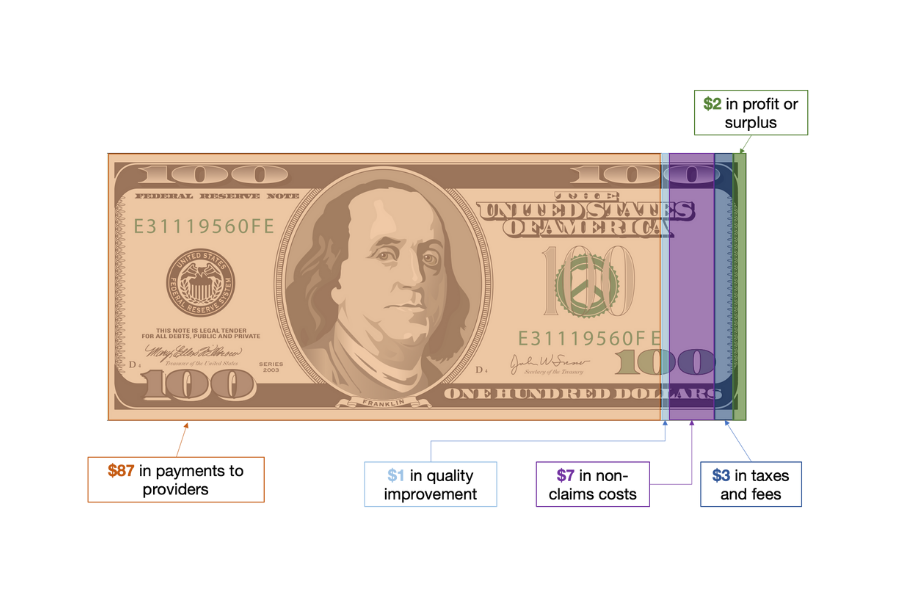
Over 32.8 million children are covered by Medicaid, and the large majority are enrolled by their state Medicaid agencies in managed care organizations (MCOs). In exchange for monthly capitation payments, the MCOs contract with the state Medicaid agency to furnish covered services through networks of providers. These arrangements, in 40 states and the District of…
-
Reflecting on the Legacy of Dr. Paul Farmer
By Charles Bruner, Ph.D., Director of the Integrated Care for Kids The health community is saddened by Dr. Paul Farmer’s death – but also heartened by the many tributes to his life and the path he has presented for us. Although much of his work focused upon the poorest and most distressed communities in the…
-
Increase in Maternal Mortality During COVID Underscores Need for Policy Changes
The rate of women who died during pregnancy or shortly after birth increased significantly during the first year of the COVID-19 pandemic, according to new data from the National Center for Health Statistics, and Black women continued to experience maternal death at rates more than twice the national average. In 2020, there were 861 women…
-
Congressional Committees Focus on Mental Health, Announce Bipartisan Efforts
Mental health was in the spotlight this month on Capitol Hill with four Congressional committees holding hearings on the subject during the first three weeks of February and some committees formally announcing plans to pursue bipartisan legislation. As we’ve discussed on Say Ahhh!, the pandemic has taken an unprecedented toll on the mental health of…
-
Outreach for Pregnant People Included in Latest CMS Grant Funding Opportunity
CMS recently announced $49.4 million in outreach grants available to connect eligible children and parents to Medicaid and CHIP coverage, and for the first time, specifically included outreach to pregnant people as one of the target groups. This is an important step, both for reaching eligible but uninsured pregnant people, and for facilitating access to…
-
What Can States Do to Reduce Risk of Children Unfairly Losing Health Insurance
In part 1 of this blog series, my colleague and report co-author Joan Alker, explained the dire consequences if states don’t put in the time and effort to get renewals right when the Medicaid continuous coverage provision is lifted. This blog will focus on how we developed risk assessments for children in all 50 states…
-
California’s Medicaid Managed Care Procurement: A Leap Forward
Last week, California’s Medicaid agency issued a Request for Proposals (RFP) to provide managed health care services to program beneficiaries. This is not just another Medicaid RFP. California is far and away the nation’s largest Medicaid managed care market. As of September 2021 the state Medicaid agency contracted with 24 managed care organizations (MCOs) to…
-
Governors Should Make the Protection of Children and Families from Health Coverage Loss a Top Priority
A unique and unprecedented set of public policy circumstances create a grave risk for the stability of health coverage in the year ahead for millions of children and families. First, some background. In response to the COVID-19 pandemic, Congress and the Trump Administration enacted a law in 2020, known as the Families First Coronavirus Relief…
-
Millions of Children May Lose Medicaid: What Can Be Done to Help Prevent Them From Becoming Uninsured?
Introduction As of June 2021, over 40 million children were enrolled in Medicaid or CHIP for their health insurance — the vast majority in Medicaid. From the month prior to the pandemic in February 2020, through June 2021, children’s enrollment increased by 11 percent. Now, about half of the nation’s children are covered by Medicaid…
-
School-Based Health Care: One Answer to Ohio Children’s Unmet Health Care Needs
By Kelly Vyzral, Senior Health Policy Associate, Children’s Defense Fund Ohio February is School-Based Health Care Awareness Month. This is a great opportunity to talk about improving access to health care for Ohio’s children. All children deserve to grow up healthy with the opportunity to thrive into adulthood. But the reality is that in many…
-
Medicaid Managed Care Financial Results for 2021: A Big Year for the Big Five
The Q4 2021 earnings reports are in, and the five largest companies in the Medicaid managed care market—CVS Health, Anthem, Centene, Molina, and UnitedHealth Group—did very well, thank you very much. CVS Health made $17.3 billion last year; Anthem, $7.5 billion; Centene, $1.8 billion; Molina, $1.0 billion; and UnitedHealth Group $24.0 billion. Not all of…
-
Texas Medicaid Section 1115 Waiver Drama Trilogy: Part II
Texas Expects to Get, But Not Give, Notice The Biden Administration came to town with clear intentions to review some of the waiver agreements that the Trump Administration had authorized – most notably on work requirements. We and others had urged the Trump Administration to reconsider the January 15th demonstration approval in Texas in light…