All
-
Comments on Proposed SUNSET Rule
Georgetown University Center for Children and Families submitted the following comments to the U.S. Department of Health and Human Services on the proposed SUNSET rule. CCF Comments SUNSET NPRM
-
Medicaid Expansion Increased Preventive Care for Pregnant and Postpartum Women, New Study Finds
Medicaid expansion increased the use of key preventive health services by women before and after pregnancy, a new study published in Health Affairs found. The findings add to the evidence that expanding Medicaid coverage to all low-income adults does translate into more utilization of preventive care that can improve the health and wellbeing of women…
-
New Report Explains How Medicaid Expansion is Key to Ending HIV Epidemic in USA
As we live through the COVID-19 pandemic, our other challenging health problems haven’t gone away. In recognition of World AIDS Day and in honor of all those whose lives have been affected by HIV/AIDS, I would like to focus attention on public policy options that could help finally eliminate HIV in the United States. Long…
-
HIV and Medicaid Expansion: Failure of Southern States to Expand Medicaid Makes Elimination of HIV Infection in the United States Much Harder to Achieve
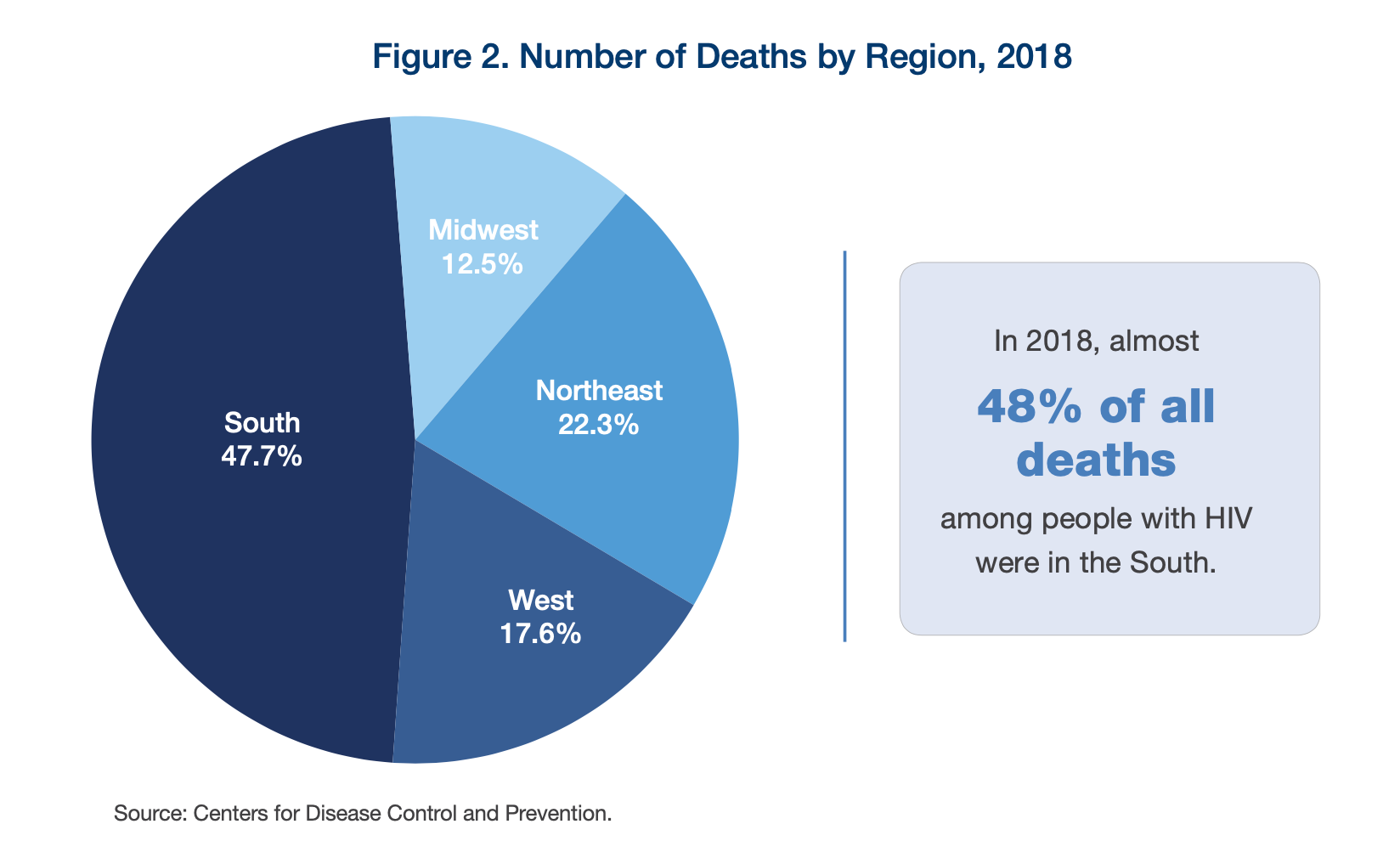
By Adam Searing, JD, MPH and Adaora A. Adimora, MD, MPH Introduction Advances in public health programs and medical treatment mean HIV can be treated successfully in the long term, improving the health of individuals and reducing the spread of the virus. While the federal government has multiple initiatives aimed at addressing and eventually eliminating…
-
Open Enrollment FAQ of the Week: What Does My Plan Cover?
With Open Enrollment now well underway, consumers are weighing their options for 2021 and trying to find the right plan that meets their health needs. As consumers make their decision, it is important for them to understand what they are buying and what coverage their plan provides. Throughout the enrollment period, the Georgetown University Center…
-
Medicaid Managed Care Procurement: Opportunity for Transparency?
In most states, the responsibility for ensuring that children enrolled in Medicaid receive needed services rests with managed care organizations (MCOs). They are stewards for millions of children and billions of Medicaid funding intended to meet children’s health care needs. Yet there is little transparency about how individual MCOs are performing for children. The logical…
-
What Can We Expect from Biden Administration on Work Reporting Requirement Waivers?
As I was waiting to watch Vice President-elect Kamala Harris start her speech on Saturday night, I tweeted the following: Goodbye and good riddance to Medicaid work requirement waivers. — Joan Alker (@JoanAlker1) November 8, 2020 It proved to be a popular sentiment – at least on my twitter feed. As we have blogged about…
-
What the Proposed “SUNSET” Regulation Means for Medicaid and CHIP
On November 4, the Department of Health and Human Services proposed to require itself to review almost every regulation it has ever issued, including those affecting Medicaid and CHIP. It did so by proposing a new regulation, which has the misleading acronym “SUNSET” (Securing Updated and Necessary Statutory Evaluations Timely). A more appropriate acronym would…
-
Medicaid and CHIP Coverage for Pregnant Women: Federal Requirements, State Options
Introduction Medicaid and the Children’s Health Insurance Program (CHIP) are key supports for pregnant women and new mothers, as well as their children in the critical early years of life. Medicaid pays for nearly half of all births in the United States, including a greater share of births in rural areas, among young women, and…
-
States Can Do More to Improve Medicaid and CHIP Pregnancy and Postpartum Coverage, Advance Maternal and Child Health Equity
Each year, Medicaid pays for nearly half of all births in the United States, including a greater share of births in rural areas, among young women, and women of color. Medicaid and CHIP also cover close to half of the nation’s children under age 3, making it the largest source of coverage for infants and…
-
Postpartum Depression Can Persist Well Beyond a Child’s First Birthday – Medicaid Should Adjust Accordingly
Postpartum depression can last up to three years, new research from the National Institute of Health has found, and symptoms can often emerge well after the first months following delivery and get worse over time. The findings, published in the journal Pediatrics, suggest that providers, particularly pediatricians, should screen new mothers for depression through at…
-
New CMS Rule Would Weaken Families First Continuous Coverage Protection in Medicaid
On October 28, the Trump Administration announced that it would weaken the current continuous coverage protection for Medicaid beneficiaries by permitting states to cut or scale back benefits and increase cost-sharing charges. The Families First COVID-19 relief legislation provided a temporary 6.2 percentage point increase in the federal Medicaid matching rate (FMAP) through the end…
-
Medicaid Managed Care Companies Report Solid Earnings While States and Pediatricians Struggle
Q3 2020 closed on September 30, and publicly held companies have reported their financial performance. These reports, known as Form 10-Qs, are designed to provide investors with some transparency about the companies in which they are investing. Here’s what they tell us about how the five companies with the largest Medicaid managed care enrollments have…
-
National Strategy Needed to Close Health Care Gaps, Protect Children’s Health and Well-Being
New research from the Urban Institute, “Urgent Action Needed to Address Children’s Unmet Health Care Needs during the Pandemic,” identifies the problems families with children are facing and some proven solutions, but explains that without a coordinated, national response, it’s unlikely that the children most at risk will get needed supports. Instead, as the authors…
-
Georgia’s Medicaid Waiver is Fiscally Foolish and Anti-Family
On October 15th, the Centers for Medicare and Medicaid Services Administrator Seema Verma traveled to Atlanta to announce the approval of Georgia’s “Pathways to Coverage” Section 1115 Medicaid demonstration. The approval is the latest in CMS Administrator Verma’s ideological crusade to “reframe” Medicaid and promote her signature initiative — work requirements. The creation of a…
-
What’s New for 2021 Marketplace Enrollment?
By Megan Houston, Georgetown University Center on Health Insurance Reforms On November 1, the eighth open enrollment period begins for marketplace coverage under the Affordable Care Act. This year there are several policy changes that could have an impact on enrollment and affordability of plans on the marketplace including: COVID-19 Pandemic: The novel coronavirus (COVID-19) pandemic…
-
New Urban Institute Estimates of 1.7 Million More Uninsured Children if Supreme Court Overturns Affordable Care Act
On Tuesday, November 10, the Supreme Court will hear oral arguments for California v. Texas, a case in which a group of conservative attorneys general led by the Texas Attorney General and the Trump Administration are seeking to overturn the entire Affordable Care Act (ACA). Researchers from the Urban Institute recently projected that the number…
-
More Young Children Uninsured Since Trump Administration Took Office, Virginia a Bright Spot
As we lament the swift reversal in health coverage for children of all ages, we also wanted to take an initial look at how this trend specifically impacts young children. Sadly, children under age 6 were not spared from coverage losses. As these tables detail, there are nearly 180,000 more uninsured young children than at…
-
Child Health Care Transformation: Addressing the Triple Crisis of COVID-19, Racial Injustice and the Economic Downturn
By Charles Bruner, Kay Johnson, Maxine Hayes, David Willis, Paul Dworkin, and Wendy Ellis The interrelated triple crises driven by COVID-19, racial injustice, and the economic downturn have disrupted virtually all aspects of life for children and families – with profound impact on children’s overall health and development. COVID-19 has challenged the nation’s child health…
-
Press Release – New Data Finds Number of Uninsured Children Increasing at Alarming Rate
Tennessee Justice Center By: Kinika Young An estimated 80,000 Tennessee children were uninsured last year, a number that has increased about 38% since 2016, according to a new report released by the Georgetown University Center for Children and Families. Tennessee’s experience is part of a national trend that left an estimated 726,000 more children without health coverage…